


A couple of years ago, World Health Organization (WHO) urged member countries to take measures to curtail consumption and health impacts of sugary drinks. According to a WHO report in 2016, taxation imposing on sugary drinks can lower consumption and reduce obesity, type 2 diabetes and tooth decay. Also, this taxation measure could lead to at least a 20 percent increase in the retail price of sugary drinks would result in proportional reductions in consumption of such products, according to the report titled “Fiscal policies for Diet and Prevention of Noncommunicable Diseases (NCDs)”.
Up to now, 67 countries/regions have taxed sugary drinks, of which 56 countries impose excise taxes; 9 countries impose import duties; 2 countries impose taxes on goods and services.
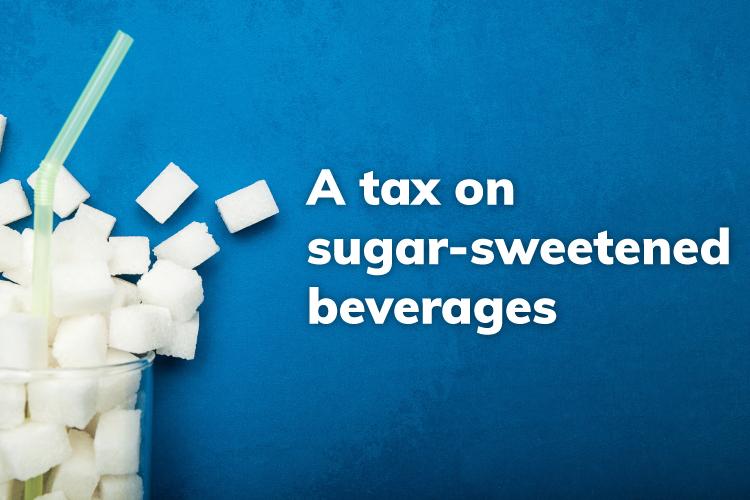
The Ministry of Finance of Vietnam is currently proposing to impose special consumption tax on sugary drinks. The taxation may impact beverage industry and consumers habits. Vietnam has approximately 1,800 beverage production facilities that directly employ over 300,000 people and indirectly employ millions more. A couple of legal questions: what is the definition of sugary drinks in general? What kind of beverages will be considered as sugary drinks? What is the threshold of sugary drinks? Who will be beneficial and impactful to this proposed taxation?
Contact us for further information at midland-partners.vn
hoaison74@gmail.com
Related Post
-
 Amendments to Vietnam’s Law on Enterprise: Strengthening Compliance and Corporate Accountability
-
 Incentive Policies for the Development of Self-Produced and Self-Consumed Solar Power
-
 What is HS code? The importance of correctly identifying HS . codes
-
 Vietnam’s Fintech Sandbox: Toward a Regulatory Framework for Innovation
-
 All About Investing in Vietnam
-
 The Government Amended List of Prohibited, Restricted and Conditional Business Goods and Services