


Foreign Direct Investment (FDI) is a vital component of the capital market, particularly significant for emerging economies like Vietnam. With a stable political environment, relatively low labor and operating costs, as well as promising economic prospects, Vietnam presents a dynamic market and an attractive destination for both foreign and private investors to participate in the economy. In this context, this document is made to provide you a brief on how investment market in Vietnam looks like and what investors should follow to make an investment in this country.
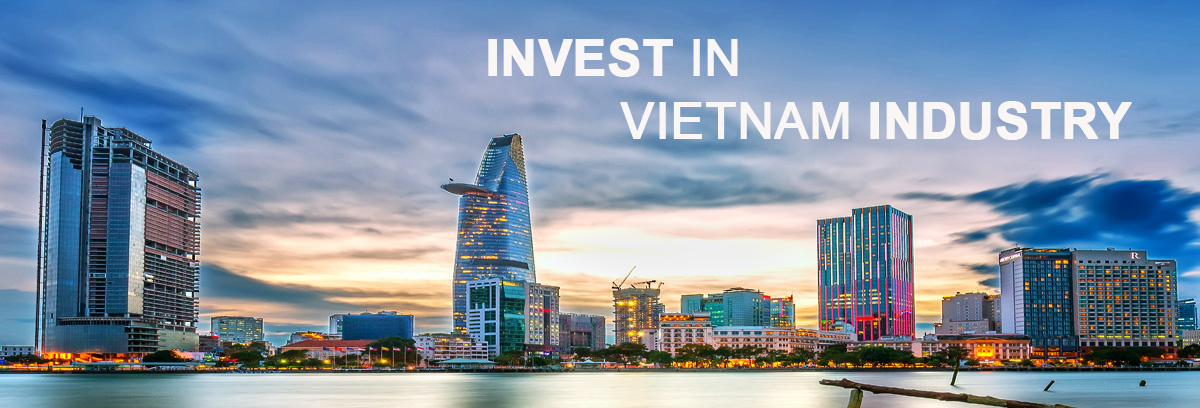
- An overview on Foreign Direct Investment in Vietnam
1.1. Vietnam is one of the leading investment destinations in Southeast Asia. Despite the pandemic’s challenges in previous period, Vietnam has demonstrated resilience, attracting significant FDI inflows in 2023. As of December 2023, total foreign investment (FDI) on Vietnam, including newly registered capital, adjusted registered capital and value of capital contribution and share purchase of foreign investors reached over 36,6 billion USD, up 32,1% compared to 2022. In which, there are 3.188 newly licensed projects with the registered capital of 20,19 billion USD, more than 56,6% in the number of projects and 62,2% in the registered capital compared to the last year. An overview of foreign direct investment in Vietnam mainly focuses on big cities with many industrial parks and convenient infrastructure. In this regard, Ho Chi Minh City maintains its lead, accounting for 5,85 billion USD, or 16% of total foreign investment capital in Vietnam. Hai Phong comes in second with 3.26 billion USD, followed by Quang Ninh with 3,11 billion USD. The first two months of 2024 continues to experience the success in 2023, with a total of FDI reached more than 4,29 billion USD, 38.6% over the same period last year.
By industry: In 2023, FDI flowed into 18 out of the 21 economic sectors. Notably, the processing and manufacturing industry emerged as the top recipient, attracting nearly 23,5 billion USD, which accounted for approximately 64,2% of the total FDI and represented a significant increase of 39,9% compared to the previous year. Following closely behind were the real estate sector with nearly 4,67 billion USD (an increase of 4,8%), the electricity supply sector with nearly 2,37 billion USD and the finance and banking sector with nearly 1,56 billion USD (increase 27 times).
By country: Vietnam saw investments from 111 countries and territories. Singapore led the pack with nearly 6,8 billion USD, constituting over 18% of the total FDI. Following closely, the Japan contributed nearly 6,57 billion USD (17,9 % of the total) with a marginal 37,3% increase. Asian investors, including Singapore, China, Japan, Korea, Hong Kong, and Taiwan, accounted for a substantial 80% of the total FDI inflows into Vietnam during this period.
…. Please access to the link to download the full article.
By Trang Linh – Midland & Partners
In cases that foreign investors are uncertain about the Vietnamese laws and regulations, please contact our law firm for further support. Midland and Partners counsel team will deliver you with fast and continuous legal advisory on Business and Coporate issues.
E-mail: hoaison@midland-partners.vn
Mobile: +84 904 882 558
Related Post
-
 The Government Amended List of Prohibited, Restricted and Conditional Business Goods and Services
-
 KEY CHANGES TO OUTBOUND INVESTMENT REGIME UNDER VIETNAM’S DECREE NO. 103/2026/NĐ-CP
-
 Amendments to Vietnam’s Law on Enterprise: Strengthening Compliance and Corporate Accountability
-
 World Health Organisation – WHO: Draft Guidance on regulatory measures aimed at restricting the digital marketing of breast-milk substitutes
-
 What is HS code? The importance of correctly identifying HS . codes
-
 World Health Organisation Releases Guide and Toolkit on Nicotine- and Tobacco-Free Schools 2023